
Dental Implant Failure & Salvage – Powdersville, SC
Repair Compromised Dental Implants
If they receive excellent care, most dental implants can remain functional for several decades or even for life. While implant failure is rare, the team at Tylan Creek Family Dentistry is trained and equipped to perform a range of treatments that can help a troubled device reintegrate with the tissue supporting it while preventing future infections. Here’s a quick look at how dental implant failure and salvage services work at our Powdersville office.
Why Do Dental Implants Fail?

Dental implants usually fail for one or more of three reasons, those being:
- Failed osseointegration: If the dental implant does not form a sufficiently strong bond with the structure of the jawbone, it will not have the security and leverage it needs to function well, which can set it up for early failure. Failed osseointegration is often the result of the patient neglecting to adhere to their aftercare instructions after receiving implants.
- Peri-implantitis: This refers to oral infections that can compromise the bone and gum tissues supporting a dental implant, and it is usually the result of poor oral hygiene.
- Injury: Blows to the face or excessive strain caused by grinding, aggressive chewing, or bad habits like opening bottles with your teeth or gnawing on ice, wood, plastic, metal, or fingernails can suddenly or gradually force a dental implant out of position.
Dental implant failure can also be more likely due to habits like smoking and excessive alcohol consumption or health conditions like diabetes or osteoporosis.
Symptoms of Failing Dental Implants

Dental implant failure can happen at any time. Your dental implant may be failing if you notice symptoms like:
- Soreness or pain that gets worse after implant placement or that occurs after osseointegration is complete.
- Looseness of the implant.
- Signs of infection like swelling, bleeding, or pus.
- Trouble chewing.
How Dental Implant Salvage Works
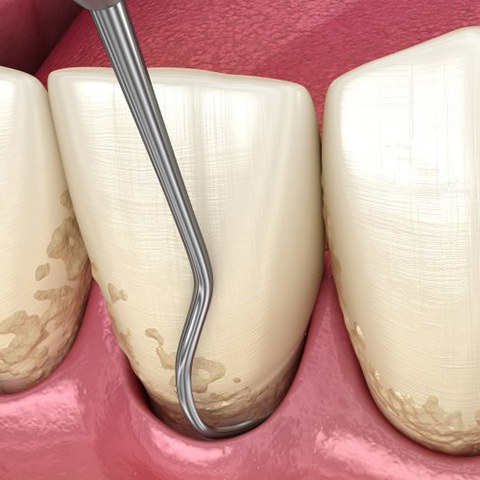
Please contact our office as soon as possible if you suspect that your dental implant may be failing. After we discuss your symptoms and examine your mouth, we’ll be able to determine an appropriate course of treatment. In many cases, we can address infections with treatments like scaling and root planing and encourage the device to reintegrate with its surrounding tissues. In other cases, we may have to recommend a new dental implant.