
Dental Bridges – Powdersville, SC
Replace One or Several Sequential Missing Teeth
The loss of one or a few teeth in a row can be tough on one’s self-esteem and lead to a host of oral health issues like gum injuries, dental drift, and jawbone atrophy. Luckily, customized dental bridges from Tylan Creek Family Dentistry can replace one or several missing teeth in a row with gorgeous and functional restorations. Here’s a quick guide to how dental bridges work and how they can help you keep your smile complete and beautiful from the friendly team at our Powdersville office.
Why Choose Tylan Creek Family Dentistry for Dental Bridges?
- Skilled and Meticulous Dental Team
- Restore Several Missing Teeth at Once
- Flexible Financing Options Available
What Is a Dental Bridge?
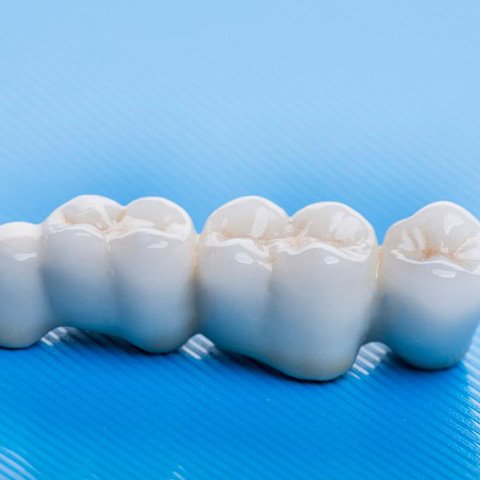
A dental bridge consists of one or several artificial teeth suspended between two dental crowns or dental implants. These devices are used to restore one or a few sequential missing teeth so the patient can enjoy better chewing power and oral health as well as the confidence that comes with a complete smile. Candidates will need to be free from oral infections and have healthy teeth strong enough to support dental crowns or jawbones robust enough to host dental implants at either end of the gap created by tooth loss. Bridges can be made from metal or ceramic materials depending on patients’ needs and preferences.
Types of Dental Bridges

Each dental bridge is customized to meet the patient’s needs, and the best way to know which kind of appliance would be best for you is to schedule a consultation at our Powdersville office. The team at Tylan Creek Family Dentistry offers:
Traditional Dental Bridge

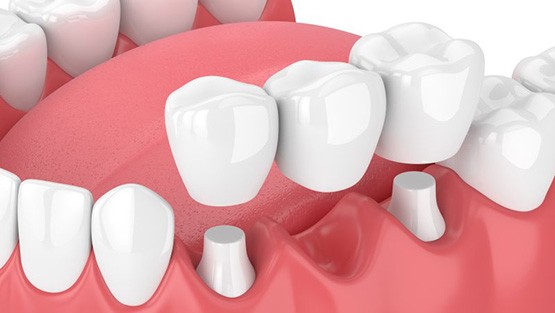
Traditional dental bridges are supported by dental crowns placed on healthy teeth on either side of the gap caused by tooth loss. These teeth will have to be permanently altered to host the crowns, and traditional bridges can usually last up to seven years before needing replacement if they receive excellent care.
Implant Bridge
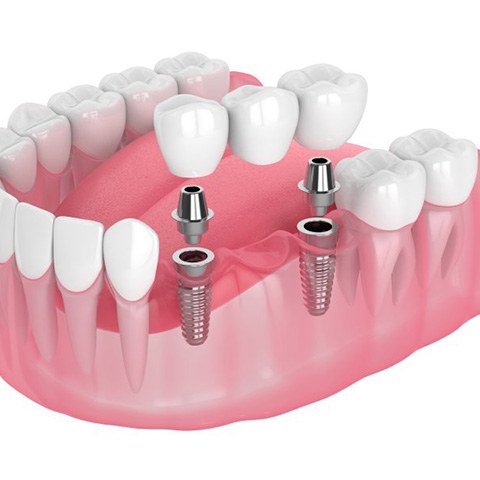
An implant bridge is supported by two titanium pieces surgically anchored in the jawbone at either end of the gap created by missing teeth. While these devices do not require alteration of healthy teeth, the patient will have to be healthy enough to receive minor surgery, and the process of placing implants will take several months. Implants bridges can last much longer than traditional appliances while delivering superior chewing power.
The Benefits of Getting a Dental Bridge
Replacing missing teeth with dental bridges can address a host of oral and overall health problems by:
- Supporting the teeth to prevent dental drift and misalignments
- Protecting the gums from injury
- Enhancing the appearance of the smile
- Redistributing the pressure of chewing to prevent uneven enamel wear and dental injuries
- Allowing the patient to speak more clearly
If you’d like to learn more about how dental bridges may be able to help you, contact our Powdersville office today!
Dental Bridges FAQs
Are Dental Bridges Removable?
If you’ve ever heard of partial dentures referred to as a “removable bridge”, you wonder whether your new teeth are intended to function like dentures, which are designed to be removed and reinserted easily to clean them. However, this phrasing is misleading because the two are completely different services.
The truth is that dental bridges usually are not intended to be removed once they’re cemented in place except by a qualified professional, like one of our dedicated providers in Powdersville.
What Are Dental Bridges Made From?
Are you curious what makes these prosthetics strong enough to withstand the pressure of everyday biting and chewing? Historically, dentists relied on restorations made from amalgam metal materials known for their strength and resilience, which is sometimes still recommended for certain circumstances.
However, our team today can also provide restorations made from durable ceramic, which reflects light more like enamel and can be customized to match the tone, size, and shape of your natural teeth. In many cases, these porcelain alternatives last just as long as their metallic counterparts.
Can Dental Bridges Get Cavities?
Dental bridges can replace one or several missing teeth to restore your smile’s appearance and functionality. But if you’re worried your prosthetic could get cavities, you might not follow through with this treatment.
It’s normal to want to ensure that this service will be a success, and it might provide some much-needed peace of mind to know that your restoration is made from different materials than your enamel, and so it cannot develop decay. But that doesn’t mean that you don’t need to worry about your oral health. If the teeth or gums beneath your bridge get cavities or gum disease, it could fail. You can help maintain your new teeth by brushing and flossing twice daily, using a floss threader or oral irrigator to help clean hard-to-reach areas if needed.
How Long Do Dental Bridges Usually Last?
Most people can expect their dental bridge to last between 5 and 15+ years, but their lifespan can depend significantly on your unique circumstances. For instance, if you neglect your oral hygiene, eat lots of hard, crunchy, sticky, or darkly toned foods, smoke cigarettes, or frequently use your teeth as tools to open bottles or packages, then you might damage or dislodge your new teeth.
Your bridge can also be affected by other factors, such as what it’s made from and where it’s located in your mouth. Metallic restorations might last longer, though back teeth tend to sustain more pressure from biting and chewing, and could wear down faster.