
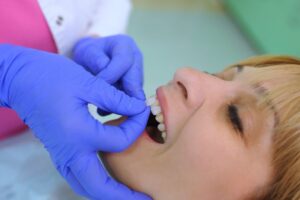
Dental veneers are one of the most popular cosmetic dentistry treatments available today, helping patients achieve brighter, straighter, and more symmetrical smiles. While modern veneers are known for their durability and lifelike appearance, their history dates back nearly a century. Since their invention in 1928, veneers have undergone remarkable advancements, transforming from temporary cosmetic enhancements into long-lasting smile solutions.
The Beginning of Dental Veneers
The story of dental veneers began in 1928 when California dentist Dr. Charles Pincus developed thin acrylic shells to improve the smiles of Hollywood actors. These early veneers were designed to be worn only during film shoots because the adhesives available at the time weren’t strong enough for long-term use.
Although temporary, Dr. Pincus’s invention demonstrated how dramatically the appearance of a person’s smile could be transformed with thin coverings placed over the front surfaces of the teeth.
Improvements in Bonding Technology
For several decades, veneers remained primarily a cosmetic tool for actors and entertainers. The breakthrough that changed everything came in the 1950s and 1960s with advances in dental bonding techniques.
Researchers discovered methods for lightly etching tooth enamel before applying adhesive. This created a much stronger bond between the tooth and the veneer, allowing veneers to remain securely attached for much longer periods.
These innovations paved the way for veneers to become a practical treatment for everyday dental patients.
The Rise of Porcelain Veneers
By the 1980s, porcelain veneers had become increasingly popular. Unlike the acrylic materials used in earlier versions, porcelain closely mimics the color, translucency, and texture of natural tooth enamel.
Porcelain is also highly resistant to staining and wear, making it an excellent choice for patients seeking long-lasting cosmetic improvements. At the same time, advances in dental laboratories allowed veneers to be customized with exceptional precision, creating smiles that looked both beautiful and natural.
Today’s Veneers
Modern veneers are thinner, stronger, and more conservative than ever before. In many cases, only a minimal amount of enamel needs to be removed, and some ultra-thin veneers require little to no tooth preparation at all.
Digital smile design, advanced imaging, and high-strength ceramic materials allow dentists to create veneers that complement each patient’s facial features, bite, and natural teeth. With proper care, porcelain veneers can often last 10 to 15 years or longer.
From temporary acrylic shells used on movie sets to today’s highly customized porcelain restorations, dental veneers have come a long way since 1928. Advances in materials, bonding technology, and digital dentistry have made veneers more durable, natural-looking, and accessible than ever before.
About the Practice
Looking to correct several cosmetic issues with just one solution? Our dentists combine art and science to create beautiful, long-lasting results that you’ll be proud to show off. And with CareCredit financing available to help make treatment affordable, there’s no better time than now to achieve the smile of your dreams. Book online or call one of our conveniently located offices in your area.